Pils Gorge — Short Walk, Big Views
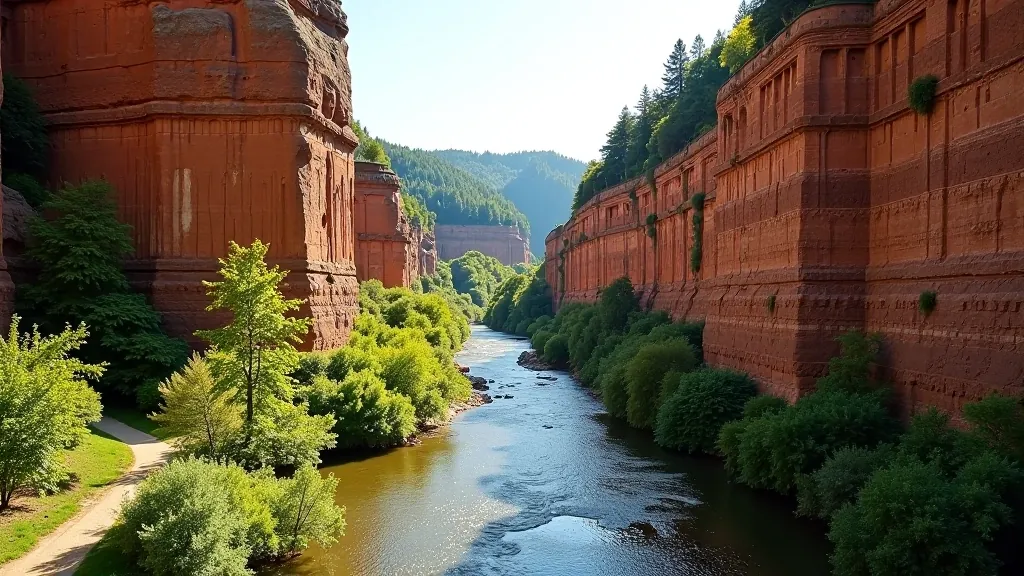
Just under 3 kilometers of easy walking with impressive views of the sandstone gorge and river below.
This 3.2-kilometer loop combines castle views with forest scenery. Mostly flat terrain with a few gentle slopes — manageable for most fitness levels.
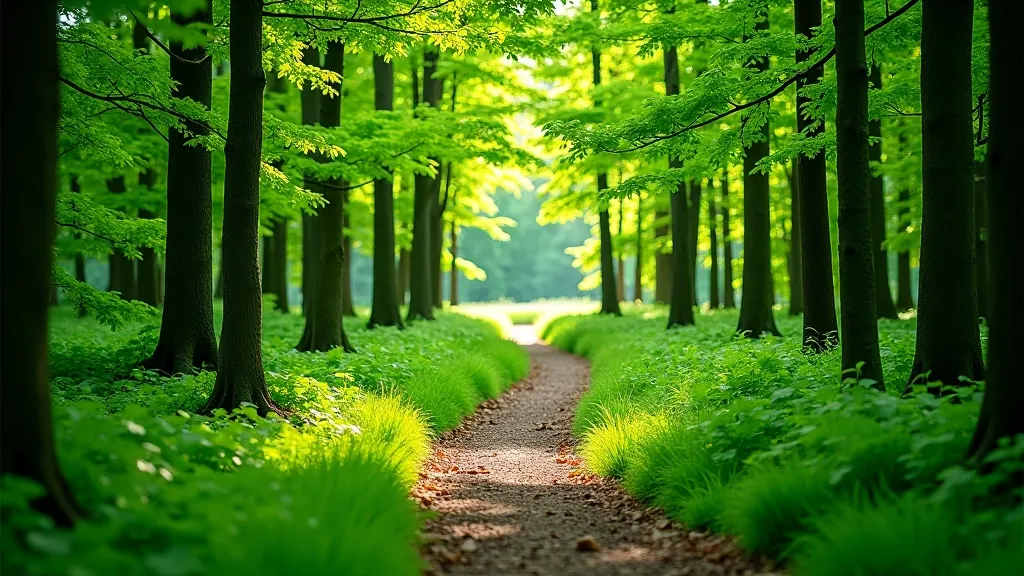

This walk is special because it's not just about moving your body — it's about stepping into centuries of history. You'll pass Sigulda Castle ruins, medieval fortifications, and some of the oldest forest in the region. The loop works well for a leisurely morning or afternoon. You're not racing anywhere.
The path stays mostly shaded under beech and oak canopy, which keeps things cool even on warmer days. There's a gentle elevation change — nothing steep — and several spots to rest with views of the Gauja River valley below.
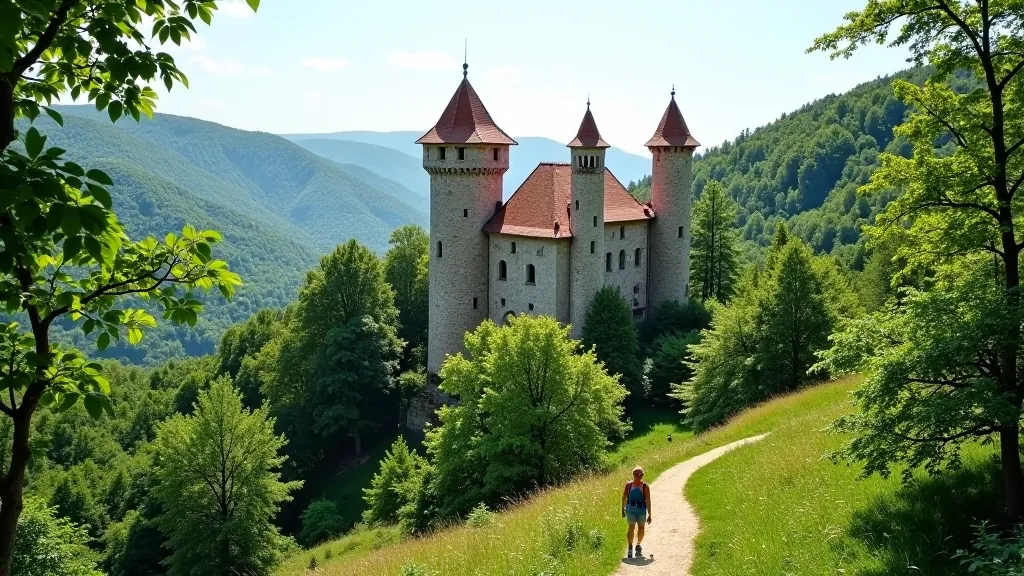
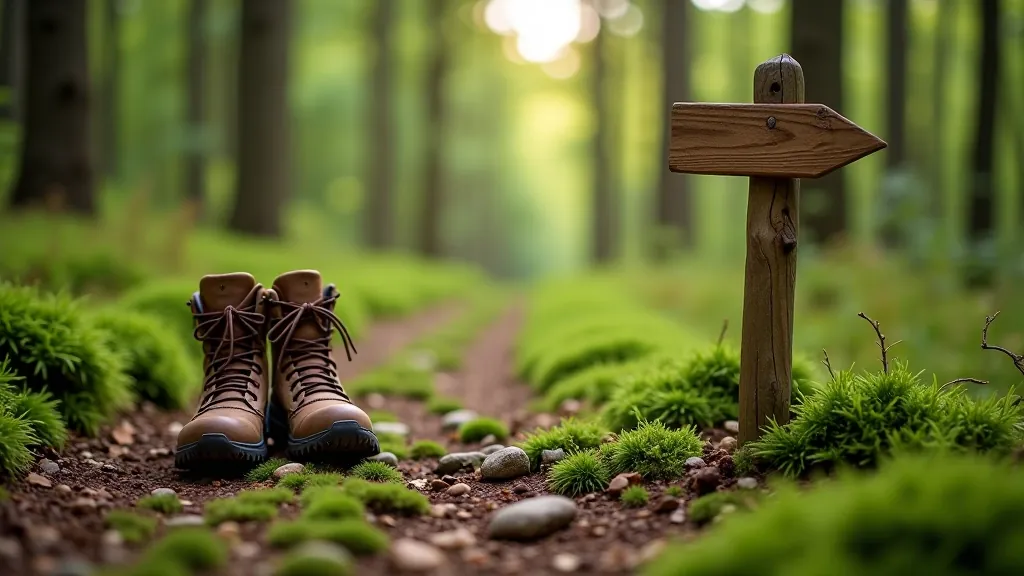
You'll start near the castle visitor parking area. The trail climbs gently upward through mixed forest for about 20 minutes. The first section uses old stone steps — they're uneven in places, so watch your footing. But the climb's manageable. You're not scrambling or anything steep.
Once you reach the castle plateau, the walking gets easier. You're mostly on level ground or gentle descents. The ridge walk at the top gives you views across the valley — you can see for kilometers on a clear day. Then you descend gradually back toward where you started.
The castle itself is ruins now — the main tower and parts of the walls are still standing. You can walk around freely and explore the old fortification layout. The stones are centuries old, and it's genuinely interesting to see how they constructed these medieval buildings. There's no formal museum here, just the physical remains and your imagination.
Around the castle, you'll find wild meadows filled with wildflowers in spring and early summer. We've seen orchids, lilies, and all sorts of plants that've been here for generations. The forest changes as you walk too. Upper sections have older beech trees — massive, ancient things. Lower sections are more mixed with spruce and pine.
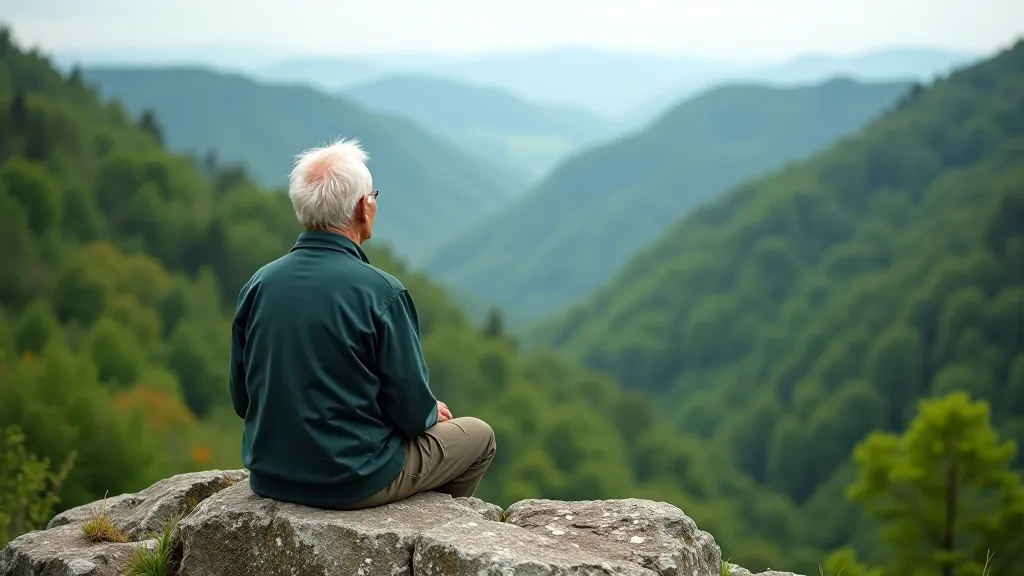
"The best part isn't rushing through it. We sat on a rock for 20 minutes just watching the valley. Didn't check our phones. That's what made it special."
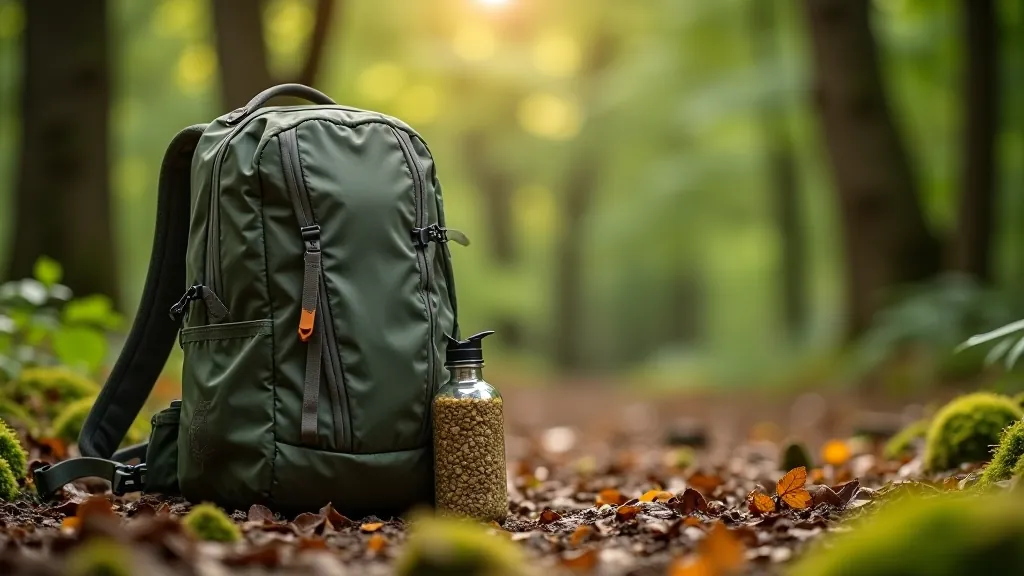
There's no water source along the route, so carry at least 1.5 liters per person. A light snack — fruit, energy bar, nuts — helps if you're walking for 90 minutes. The walk isn't strenuous, but you'll appreciate something to eat.
Wear proper hiking shoes or boots, not sneakers. The stone steps can be slippery when damp, and tree roots cross the path in several places. Good ankle support prevents rolls and twists.
The forest keeps you shaded and cool, but it also means the path can stay muddy for a day or two after rain. Check the forecast. Summer (June-August) is most reliable. Spring and autumn work too — just expect cooler mornings.
Weekday mornings are quieter than weekends. Start early if you prefer fewer people. The walk's open year-round, but winter can make the stone steps icy.
This loop isn't a challenging hike or a fitness test. It's a chance to move through a landscape that's shaped centuries of history, at a pace that lets you actually notice things. The castle, the forest, the views — they're all interesting on their own. But the real benefit is what happens when you walk without rushing. You slow down. You notice details. Your mind settles.
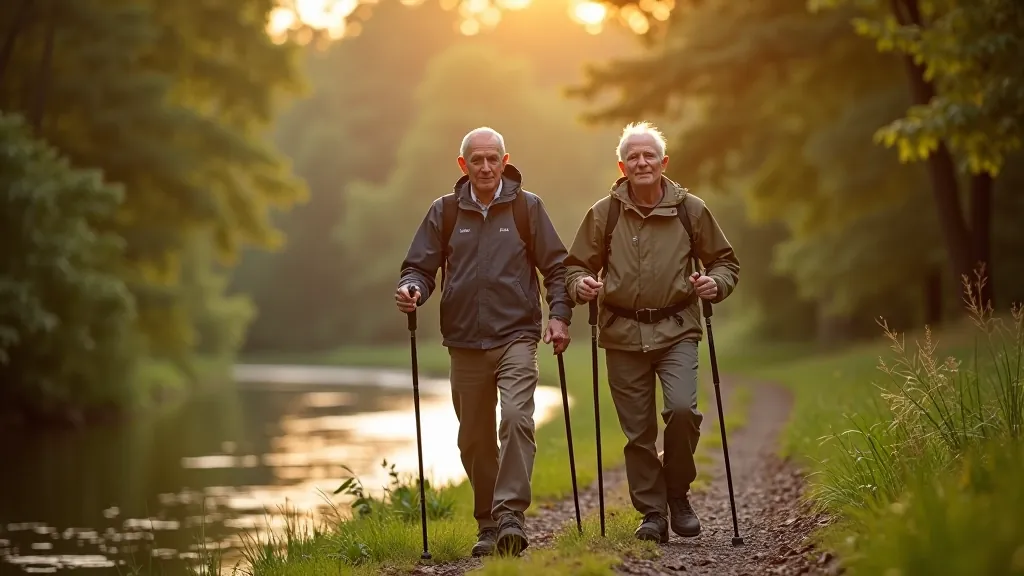
That's why it works so well for people in their 60s, 70s, and beyond. The distance is manageable, the terrain is reasonable, and the experience is genuinely rewarding. You're not exhausted at the end. You're satisfied. You'll probably want to come back.
Ready to explore more trails in the region?
Explore Other Gauja Valley WalksThis guide is informational and based on typical conditions in the Gauja Valley. Trail conditions, weather, and accessibility can change seasonally. Always check current conditions before heading out, bring appropriate gear, and listen to your body. If you have mobility concerns or health conditions, consult your doctor before undertaking any hiking activity. This isn't medical or fitness advice — it's educational information to help you make informed decisions about outdoor recreation.