

Why Pils Gorge Is Worth Your Time
Pils Gorge delivers what many longer hikes promise but rarely achieve: genuine scenic impact without exhaustion. It's not about bragging rights or summit fever. It's about standing above a river, feeling the cool air rising from the gorge, and knowing you got there without pushing yourself too hard.
The walk isn't crowded, which matters. You'll see other people — mostly locals and a few hikers from the area — but it never feels packed. The forest stays quiet enough that you can hear water moving below. And the views? They're real. The sandstone cliffs aren't small. The gorge drops noticeably. The river's there, visible, flowing.
The Route Itself
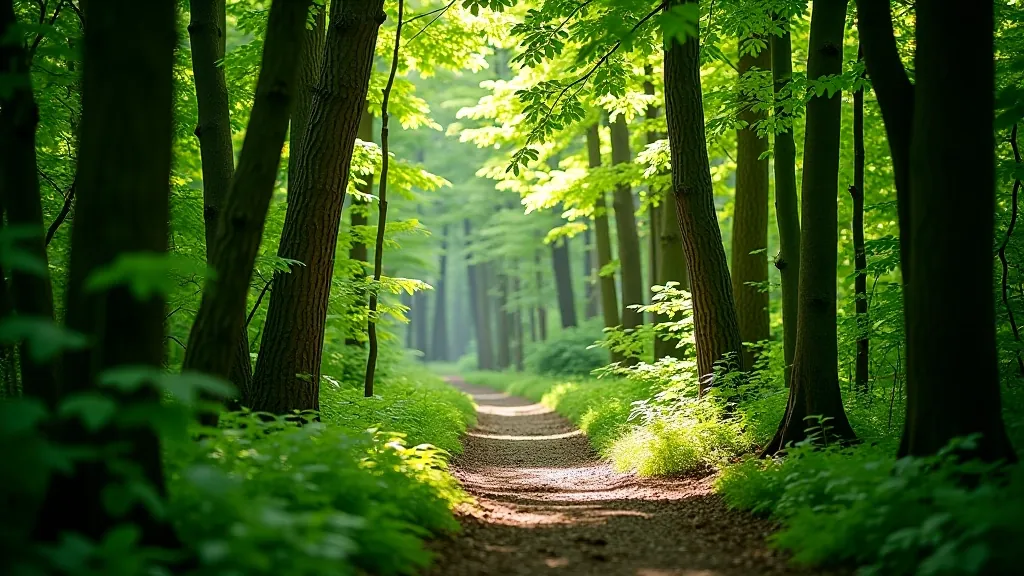
You'll start from the parking area near Pils — a small, unremarkable spot that's easy to miss. The trail enters the forest almost immediately. No long road walk, no annoying flat stretch. Within minutes you're under the trees with the gorge opening up ahead.
The path stays firm and well-defined throughout. It's not rocky or root-heavy, which means you can focus on the views rather than your feet. The descent to the viewpoint happens gradually — no sudden steep sections that catch you off guard. You're moving downhill, yes, but it feels manageable.
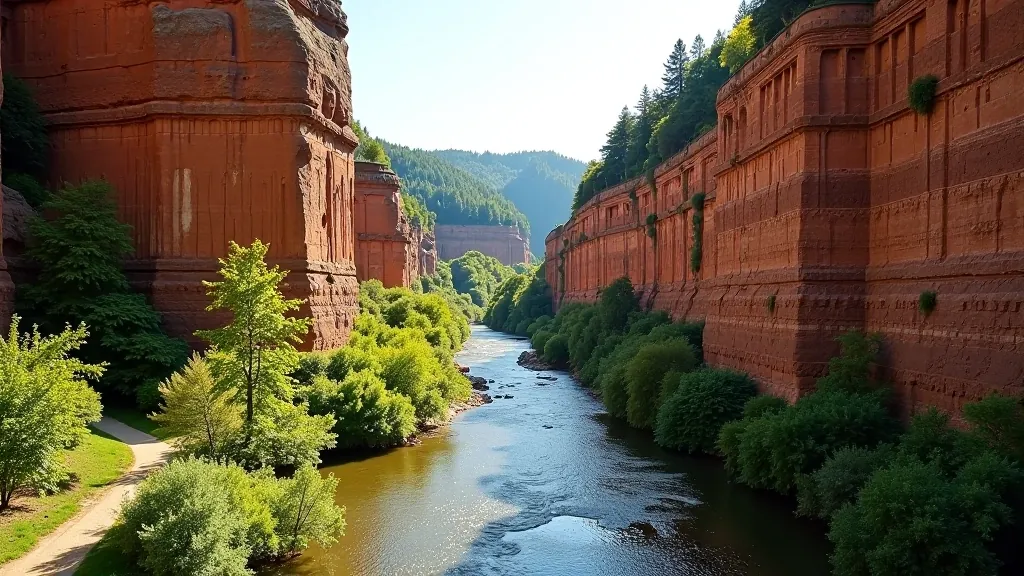
That's when the gorge reveals itself. The red and yellow sandstone walls open up, and suddenly you understand why people make the trip. The Gauja River winds below, visible through the trees. The opposite bank rises steeply. It's a moment where the landscape actually feels significant.
The Bench and Why It Matters
Halfway through, there's a bench. Not fancy, not new, just solid and positioned exactly where it should be. You sit. You rest. You look at the gorge. This isn't wasted time — this is the point.
Most walks don't understand the value of stopping. But at 65 or 70 or 75, knowing there's a place to rest changes everything. You're not rushing. You're not wondering if you'll make it. You sit on that bench, take some photos, maybe have some water, and let your legs recover while your eyes take in the landscape.
What You'll Actually See
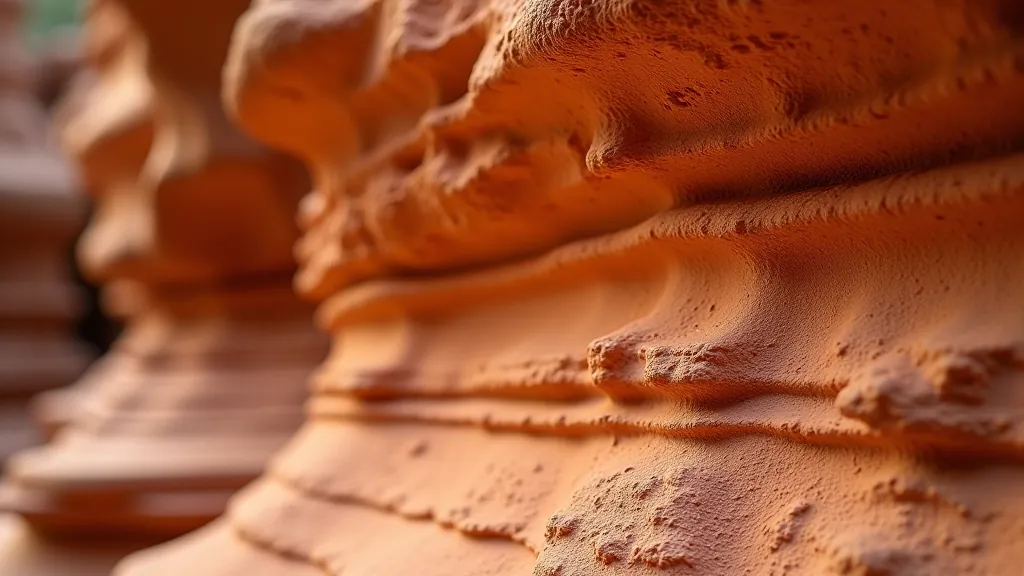
The gorge walls are dramatic without being dangerous. The colors change depending on light — sometimes the red dominates, sometimes you see more yellow and orange in the stone. It's not constant. It's alive in that way that only natural landscapes are.
The river moves steadily below. In spring it's faster, more aggressive. By summer it settles into a steady rhythm. You'll notice birds — woodpeckers mostly, sometimes larger birds working the cliffs. The air smells like wet earth and pine. There's a realness to it that doesn't translate well in photos, though you'll probably take some anyway.
Practical Bits That Actually Matter
The total distance is 2.8 kilometers out and back. Don't let that fool you into thinking it's nothing. It's not a casual stroll. But it's also not a test. Most people finish comfortably in 90 minutes to 2 hours, including the bench stop.
Elevation gain is gentle — roughly 80 meters total. You're descending to the viewpoint and then climbing back out, but neither section demands serious effort. Wear shoes with decent grip. The forest floor can be damp even when it hasn't rained recently. Bring water — a liter is enough, but having more doesn't hurt.
Spring and early summer are best if you want greenery and flowing water. Fall is quiet and the colors shift. Winter's fine if you don't mind colder temperatures, but ice can form on sections near the gorge walls, so be cautious.
Getting There
From Cēsis, it's about 20 kilometers to the trailhead. You'll need a car — there's no convenient bus option to Pils itself. The parking area is small, maybe 8-10 spaces. Arrive early on weekends if you want to be certain of a spot, though honestly it's rarely full.
The drive through the valley is pleasant. You're not rushing through traffic. The roads are decent. And when you arrive, there's that moment of stepping out of the car, breathing the forest air, and knowing you've made a good choice.
The Real Reason to Go
You don't need to climb mountains or do extreme things to feel alive outdoors. Pils Gorge proves that. It's modest in length, straightforward in difficulty, and rich in actual experience. You're not collecting summits or training for something. You're just walking through a landscape that's genuinely beautiful and taking time to notice it.
That bench matters. That viewpoint matters. That quiet moment where you're standing above the gorge and the only sounds are wind and water — that's what this walk is really about. And you don't need to be young or fit or anything special. You just need to show up.
Pils Gorge delivers consistent, genuine value. It's a walk that doesn't overpromise. You get there, you see something real, you sit, you rest, you come back. Three kilometers might sound small, but when they're good kilometers — when they're in a place that matters — they're enough. More than enough, really.